
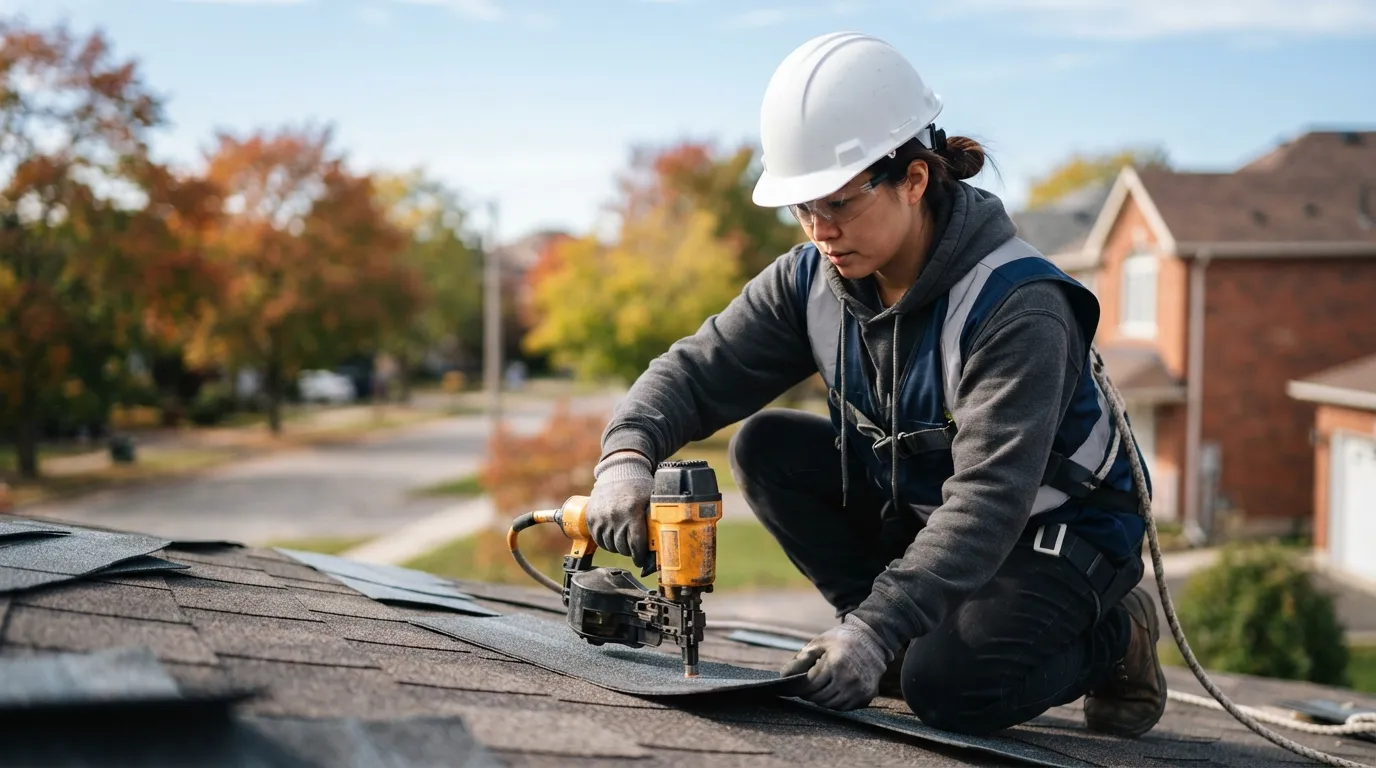
Flat & commercial roofing built for Toronto roofs
Low-slope roofing, commercial buildings and multi-unit properties across Toronto — email us for an assessment
Email Us for a Free EstimateFlat & commercial roofing in Toronto
Flat & commercial roofing in Toronto requires systems and detailing designed for low slopes, heavy freeze-thaw cycles and concentrated rooftop use. 123 Roofing assesses seam integrity, drainage, and substrate condition before recommending repairs or replacement. We work with TPO, EPDM and modified bitumen membranes and specify flashing, insulation, and scupper details to reduce future failures. Our approach is to educate building owners in Toronto and nearby Mississauga and North York so decisions are durable and code-aware.
What this service covers
We cover inspection, targeted repairs, full membrane replacement, re‑insulation, flashings, scuppers, rooftop drains and parapet detailing. That includes membrane laps, heat‑welded or fully-adhered seams, tapered insulation for drainage, and penetration boots for mechanical services. We also assess substrate integrity — concrete decks, metal decks and wood nailing surfaces — before work begins. Documentation and photos accompany each assessment so you can see the deterioration mechanisms.
Signs you need immediate work vs what can wait
Active leaks into interiors, bulging membranes, widespread blistering or large ponding areas require prompt attention; those are failure mechanisms that quickly damage insulation and structure. Small seam separations, single-penetration leaks or isolated flashings may be patched as an interim fix when budget or timing prevents full replacement. Patching is cost‑effective for limited damage but carries future risk if the underlying insulation or deck is saturated. We help prioritize repairs so you address safety and water entry first while planning longer-term upgrades.
Why acting early saves money
Water intrusion into insulation and roof decks leads to rot, corrosion and structural repairs that multiply costs beyond membrane replacement. Early intervention preserves insulation R-values and avoids replacing roof decks or building finishes beneath the roof. Proactive drainage correction and scupper re‑detail can prevent recurrent ponding that shortens membrane life. In Toronto’s climate, waiting through one winter can convert a repairable seam issue into a full re-roof.
Why Toronto conditions matter
Toronto’s freeze-thaw cycles, heavy rains and summer heat all stress low-slope membranes differently than milder climates. Snow loads and ice dams concentrate moisture at parapets and scupper outlets, while ultraviolet exposure degrades some elastomeric surfaces over years. Local building stock — older industrial flats, low-rise apartments and commercial blocks — often need upgrades to insulation and venting to meet current performance expectations. 123 Roofing factors local climate and familiar Toronto construction practices into each specification.
The specific problem we solve
Flat & commercial roofing failures usually trace to compromised seam integrity, inadequate drainage and improper scupper or penetration detailing. Seams can open under thermal movement or poor adhesion; ponding water accelerates membrane breakdown and hides underlying saturation of insulation. Incorrectly detailed scuppers and overflow drains create concentrated flow points that cut membranes and erode flashings, and mechanical penetrations not properly booted let water run along fasteners into the deck.
How 123 Roofing fixes it
123 Roofing begins with a methodical diagnostic: infrared or moisture-scan as required, core sampling to confirm insulation condition, and a roof plan marking membrane laps and low spots. For repairs we restore seam integrity with hot-air welding on TPO and heat-welded EPDM terminations, or cold-applied adhesive systems where appropriate; for modified bitumen we use torch or cold-applied cap sheets with correct base flashing. Drainage solutions include installing tapered polyiso insulation for positive slope, scupper re‑detail with metal throat flashings, and adding overflow paths. Every re-roof includes new edge metal, continuous cant strips at parapets, and fastener patterns sized to deck type to resist wind uplift consistent with Ontario building practice.
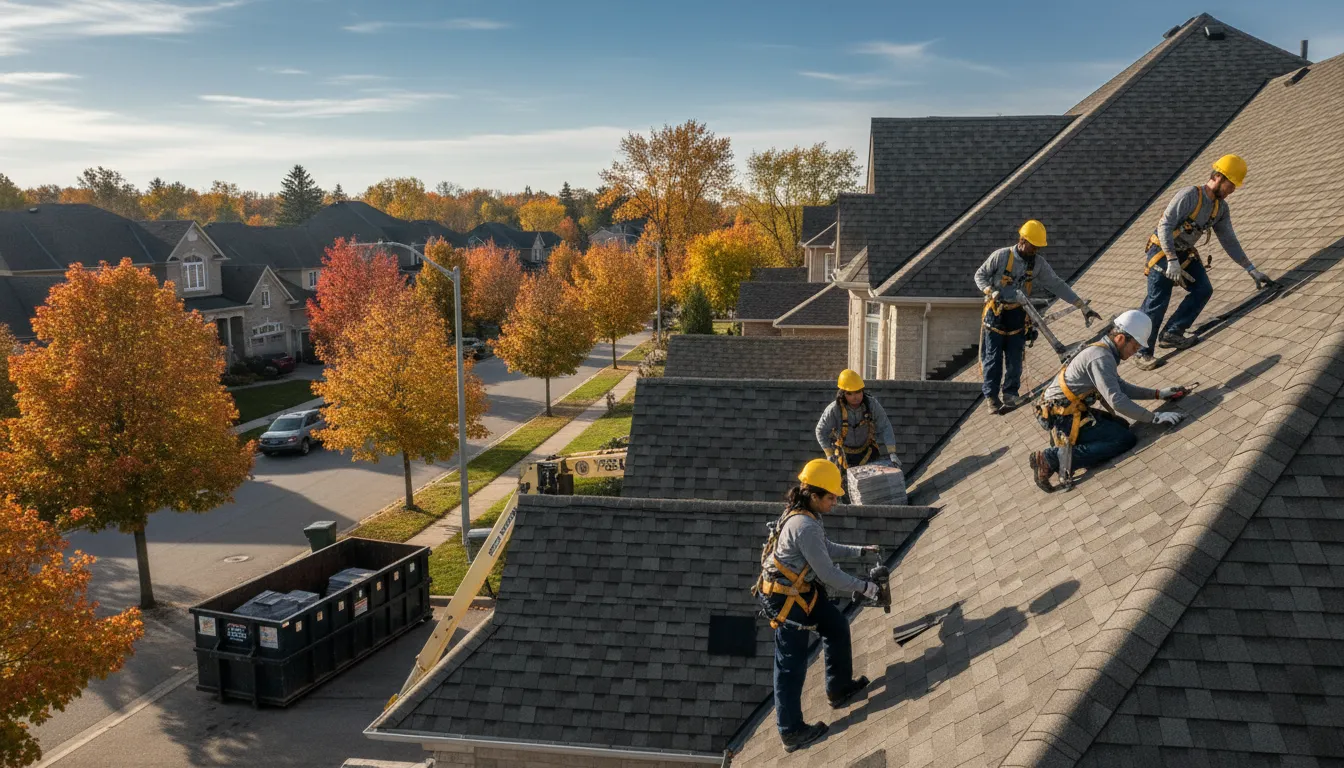
Request a no‑obligation roof assessment by email — we’ll examine seams and drainage
Email Us for a Free EstimateWhat to Consider Before Booking Flat & commercial roofing
Is my budget better for repair or full replacement?
Compare short-term repair costs against the expected remaining life of the membrane, insulation condition and deck integrity. A patch may be appropriate for isolated seam separations or a single penetration leak, but if core samples show saturated insulation or multiple failing seams, replacement is more economical in the long run.
When is the best season to plan this work in Toronto?
Late spring through early fall are the most productive months for membrane welding and adhesive cure in Toronto’s climate, avoiding cold-weather adhesion failures and snow-related delays. Emergency repairs happen year-round, but full re-roofs scheduled before winter reduce the risk of freeze-thaw damage to newly installed systems.
Can I delay work if it’s not currently leaking?
If visible signs are limited—small blisters or isolated seam gaps—you can monitor with periodic inspections and schedule work out of peak seasons; however, internal moisture trapped in insulation will continue to degrade materials unseen. Prioritize work where moisture is confirmed by infrared or core testing to avoid structural deterioration.
How should I choose between TPO, EPDM and modified bitumen?
Match material to the roof’s use, rooftop traffic, and existing deck type: TPO works well for reflective commercial roofs with lots of mechanical attachments, EPDM is forgiving in cold climates and retrofit situations, while modified bitumen offers durable flashing at parapets. Consider maintenance access, expected lifespan and thermal performance when selecting a system.
How much disruption should I expect on site?
Commercial projects can be phased to keep parts of a roof or building operational, but expect rooftop staging, equipment placement and some noise during install. We plan access, protect rooftop equipment and use dust and debris containment to reduce disruption to neighbouring tenants and occupants.
Do I need permits and inspections in Toronto?
Permits depend on the scope and building classification; municipal inspection may be required for full re-roofs or when roof structure or roof-top units are altered. Our proposals note permit requirements and we coordinate documentation so work meets Toronto building department practice and the Ontario building code framework.
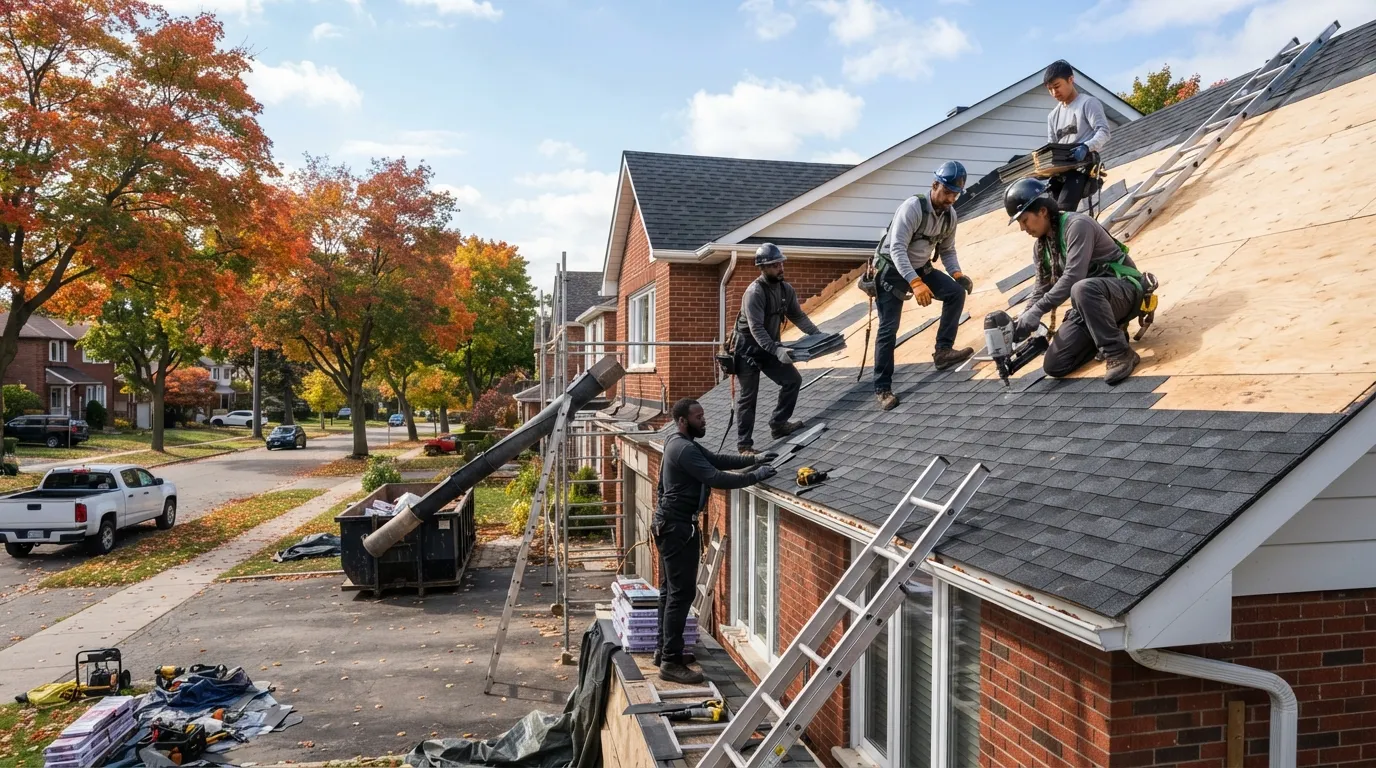
Flat & commercial roofing in Toronto
Toronto’s building stock — from mid-rise storefronts along Queen Street to low-slope multi-residential roofs in Etobicoke and high-density blocks near Yonge and Dundas — places specific demands on flat and commercial roofing. Low-slope systems behave differently than steep residential roofs: seams, drainage, and substrate condition drive long-term performance more than surface appearance. 123 Roofing approaches each job with building-science methods so membranes and flashings function under freeze-thaw cycles, heavy rains, and summer heat. Our goal is to give property owners in Toronto, nearby Mississauga, and the wider Peel/Simcoe corridor the practical information needed to decide when repair is a cost-effective temporary measure and when a full re-cover or replacement is necessary.
What this service covers
Flat & commercial roofing work at 123 Roofing addresses system replacement and targeted repairs on low-slope roofs: single-ply membranes (TPO and EPDM), modified bitumen (torch-applied and cold-adhered), insulated roof assemblies, built-up roofing details, roof drains, scuppers, and parapet/coping flashings. We also handle substrate repairs — plywood, gypsum, and tapered insulation — and attention to expansion joints and rooftop penetrations such as HVAC curbs and skylights.
Signs you need work now versus what can wait
Immediate attention is required for active leaks, large areas of ponding water, split seams, or saturated insulation — these indicate ongoing moisture migration and potential structural deterioration. If you see isolated membrane blisters, small seam failures, or single failed flashings and the substrate tests dry, a targeted repair can be a reasonable short-term solution while you plan a permanent fix.
How acting early saves money
Addressing seam failures and drainage issues early limits insulation saturation and avoids plywood or deck replacement, which is the cost driver in many Toronto projects. Proactive replacement of failed drains and correcting scupper elevations prevents repeated emergency patches, reducing lifecycle costs and preventing tenant disruption in commercial properties.
Why Toronto-specific factors change decisions
Toronto’s climate — hot, humid summers and freezing winters with freeze-thaw cycles — accelerates membrane seam fatigue and affects adhesives and sealants differently than in milder regions. Local building practices, common roof slopes, and the prevalence of older low-rise commercial stock mean material compatibility, proper tapering for drainage, and code-compliant details must be front of mind.
Why Choose 123 Roofing for Flat & commercial roofing
We organise work around building performance, compliance, and clear documentation. 123 Roofing focuses on technical clarity in every written proposal so property owners in Toronto know what they’re buying.
Transparent written quotes
We produce scope documents and drawings that show membrane type, insulation schedule, and flashing details so there are no surprises. Each quote explains which failures are being addressed versus deferred items you may budget for later.
No hidden fees
Line items identify access, crane or hoist needs, and waste disposal so the final price matches the written scope. Contingency allowances are listed when substrate condition might change once demolition begins.
On-site protection & cleanup
We implement pedestrian and property protection plans, including debris netting and dust controls, important in Toronto’s dense neighbourhoods. Our crews maintain a tidy worksite and document cleanup as part of project closeout.
Local crew with building-science approach
Our technicians are versed in low-slope failure mechanisms — seam shear, ponding-water degradation, adhesive failure — and design details like tapered insulation and continuous vapor controls. That understanding reduces repeat work and addresses root causes for Toronto properties.
Workmanship guarantee
Repairs and new installations are completed to industry-standard workmanship protocols with written coverage on labour and installation processes. We outline what the guarantee covers so property owners can compare proposals effectively.
Clear communication by email
Because 123 Roofing manages every inquiry by email, you receive searchable records, drawings, and signed scopes that are easy to reference. Project coordination with building managers and municipal permit offices in Toronto is handled through documented exchanges.
Signs You Need Flat & commercial roofing in Toronto
Recognizing symptoms early prevents deck damage and tenant disruption. Below are common signs seen across Toronto neighbourhoods and what they typically indicate about the roof assembly.
Standing water or persistent ponding
Visible pools after rain indicate insufficient slope or clogged drains; prolonged ponding accelerates seam fatigue and saturates insulation which leads to deck rot. Corrective measures often require drainage re-profiling with tapered insulation or upgrading scupper and drain details.
Seam splits or open welds
Open seams in TPO or split laps in EPDM reduce a membrane’s primary water barrier and allow water intrusion at vulnerable joints. These failures suggest either initial installation deficiencies, inadequate seam preparation, or chronic movement where flexible details are needed.
Soft or sagging roof deck
A spongy feel under foot or visible sag often means insulation and decking are waterlogged and losing stiffness. Underlying wood or gypsum decking may need replacement — a more extensive scope than a surface patch.
Blistering or bubbling of membrane
Blisters can be trapped moisture in built-up roofing layers or air pockets under adhered membranes; while small blisters can be repaired, widespread blistering points to installation or substrate moisture issues. Proper diagnosis involves core sampling to locate trapped water.
Flashings that pull away at parapets or curbs
Separated flashings break the continuity of the water-barrier where the roof meets vertical surfaces and are common points for leaks. Repair requires removing loose flashings, preparing the substrate, and installing mechanically-secured or welded terminations depending on membrane type.
Multiple patch repairs in same area
Recurring repairs are a red flag that the repair was addressing symptoms, not cause; common root causes include poor drainage, inadequate tapering, or saturated insulation. A diagnostic assessment will locate the source and recommend either localized repair or full replacement.
Water stains in ceilings or above dropped ceilings
Interior staining is evidence water has passed the roof membrane and migrated through the assembly or via penetrations. Track the stains to probable roof locations, then perform a moisture survey and infrared scan to map saturation before selecting repair extent.
Weather is hard on your roof — email us for a same-day inspection.
Summer roofing conditions in Toronto, ON
Summer heat and thunderstorms around Toronto, ON put roofs through intense UV, expansion, and sudden wind and hail. Heat accelerates shingle aging, so summer is prime time for inspections and repairs.
Proudly Serving Toronto, ON
Local, on-time service throughout Toronto and the surrounding area.